Behaviour Era – “When Latex Became Uniform”
“Pop music is theatre. It’s about creating a world and stepping into it.”
– Neil Tennant
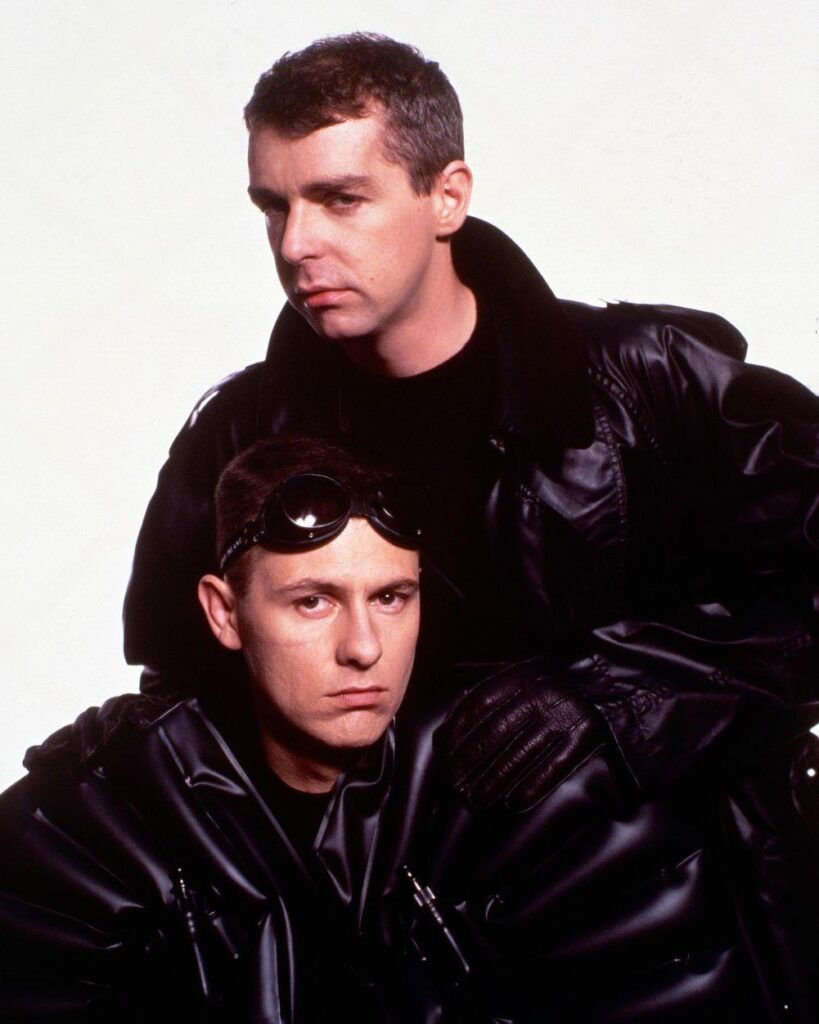
By the early 1990s, the visual language of pop had begun absorbing aesthetics long associated with nightlife and underground club culture.
For the Pet Shop Boys during the Behaviour era, clothing became a kind of controlled exterior: sharp silhouettes, dark leather jackets and minimalist styling that echoed the disciplined codes of late-80s London nightlife.
Latex and leather had long existed in the visual ecosystem of the club scene. Here, those materials evolved from fetish wear into something more restrained: a uniform of identity.
The body was no longer simply expressive. It was constructed.
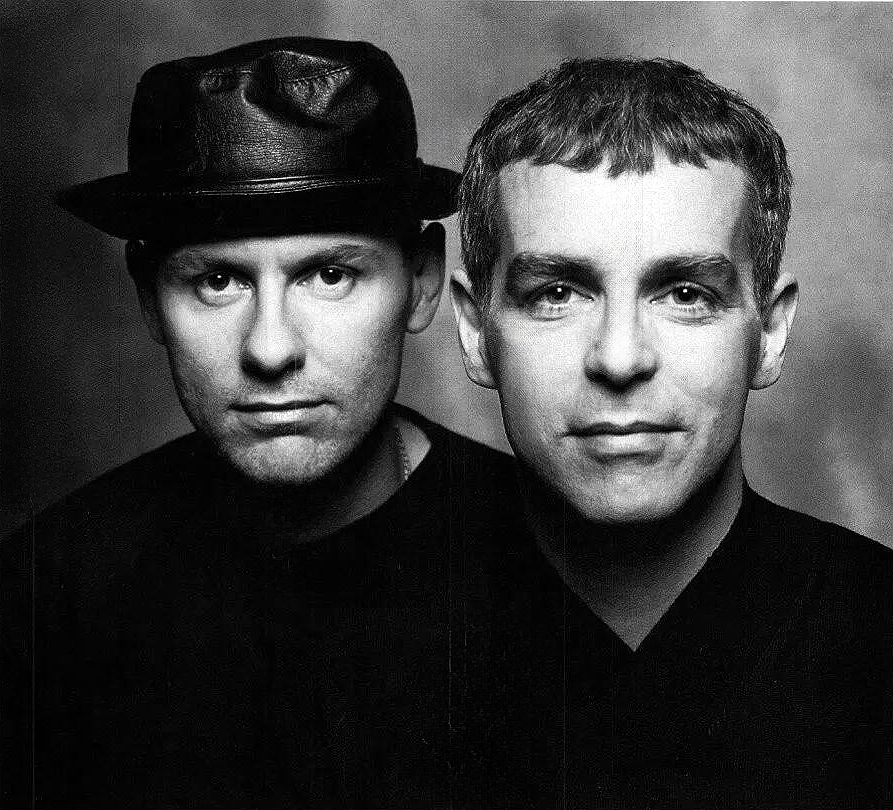
Throughout the Behaviour period, the Pet Shop Boys cultivated a visual language built on distance and control.
Neil Tennant’s composed presence contrasted with Chris Lowe’s deliberate anonymity dark glasses, hats, impassive expressions. Together they presented masculinity not as flamboyance but as stylised restraint.
Leather jackets and structured clothing became part of this identity.
In the context of London’s late-80s nightlife, these materials carried coded associations. They referenced club culture, fetish aesthetics and the visual discipline of underground spaces where identity could be both hidden and performed.
What emerged was a form of pop minimalism: masculinity rendered as silhouette.
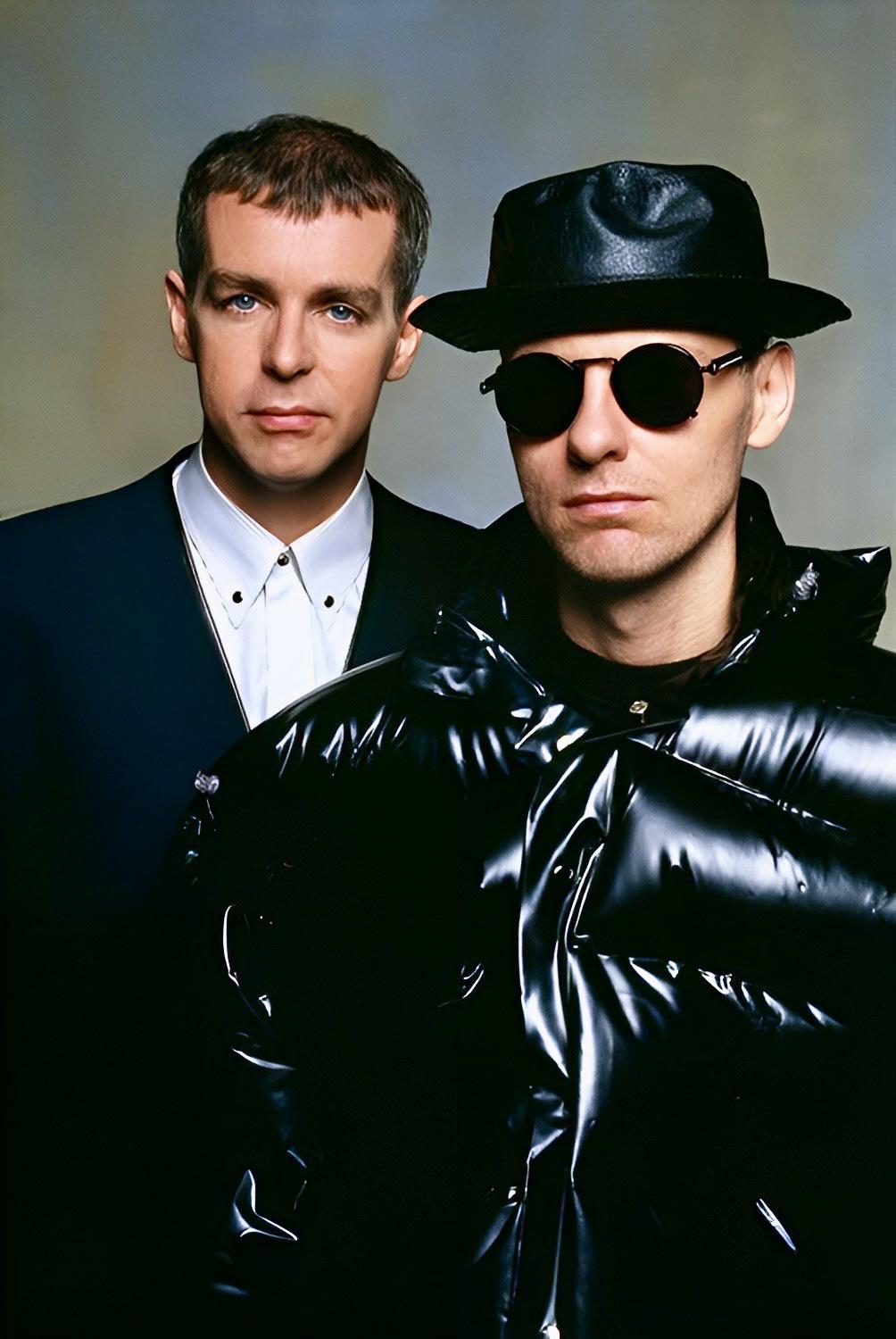
The Pet Shop Boys rarely embraced spectacle in the way many of their contemporaries did.
Instead, their visual language suggested something quieter but no less deliberate. Sunglasses, dark textures and controlled posture transformed the body into something almost architectural.
In this context, latex and leather ceased to function purely as erotic material. They became elements of a broader aesthetic vocabulary: symbols of anonymity, coolness and controlled identity.
Performance here was not excess.
It was precision.
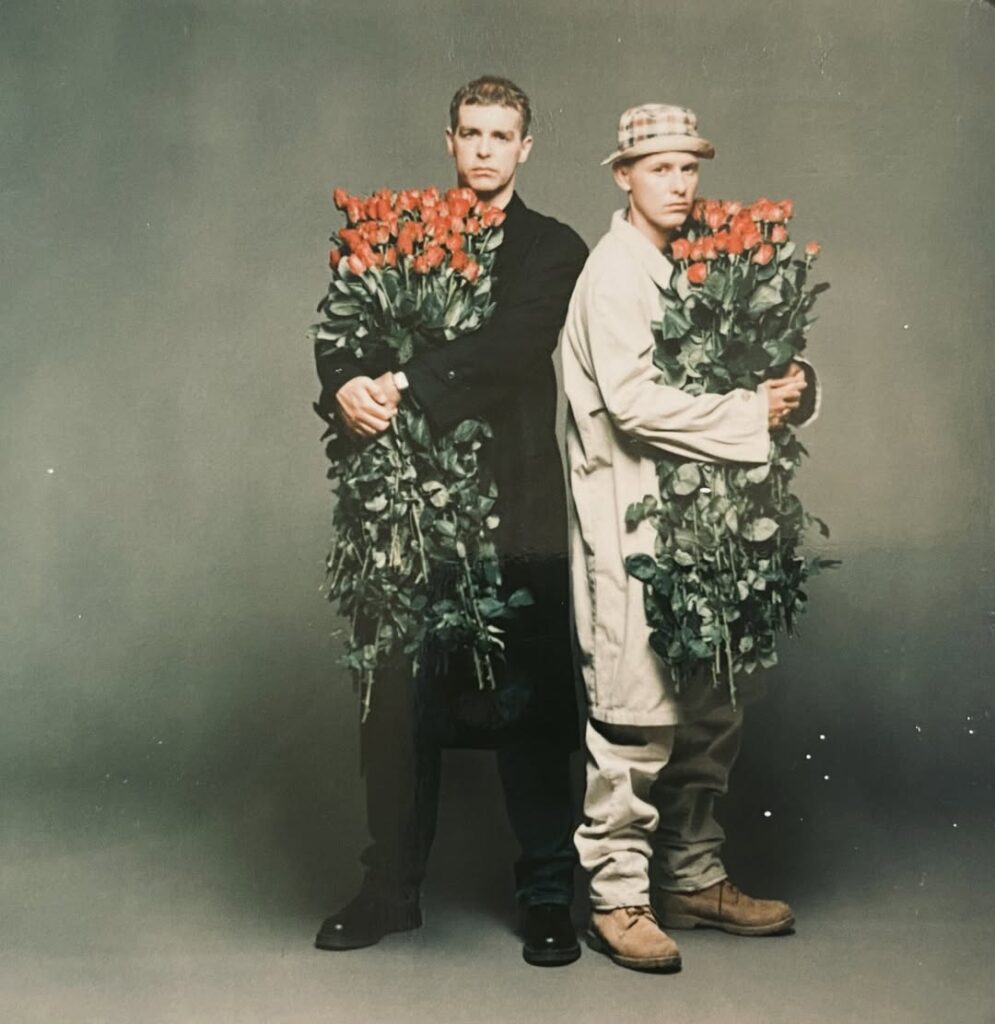
By the Behaviour era, the Pet Shop Boys had refined a visual identity that mirrored the atmosphere of the nightlife that surrounded them.
Latex, leather and dark uniformity reflected a world where fashion and music overlapped with the codes of club culture. The body was not simply dressed; it was constructed.
In this environment, materials associated with fetish and nightlife entered pop culture not through shock, but through discipline.
Latex had become uniform.