Erotica – “When Latex became confrontation”
“I’m not interested in being polite.”
– Madonna
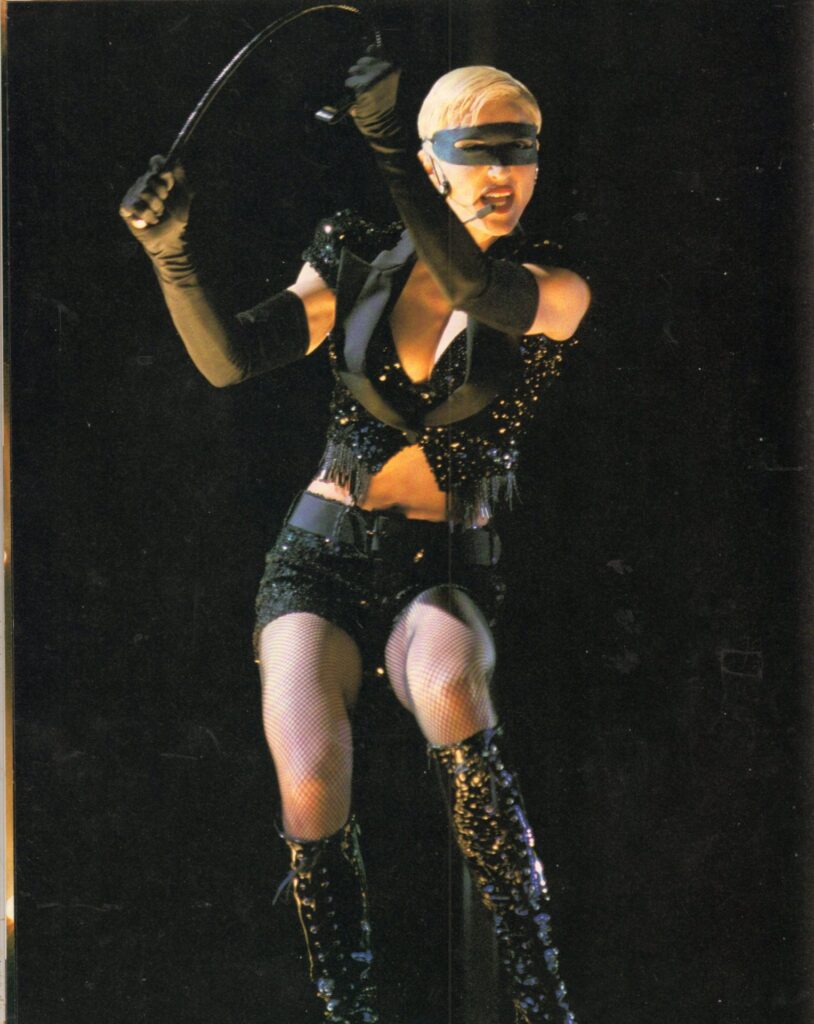
In the Erotica era, latex became confrontation: not suggestion, not seduction, but challenge. Gloss turned confrontational. Texture became weaponised. The body was no longer architecture or confession; it was provocation. She did not ask to be desired. She staged desire as theatre and forced the audience to decide where they stood.
This was latex as spectacle and spectacle as power.
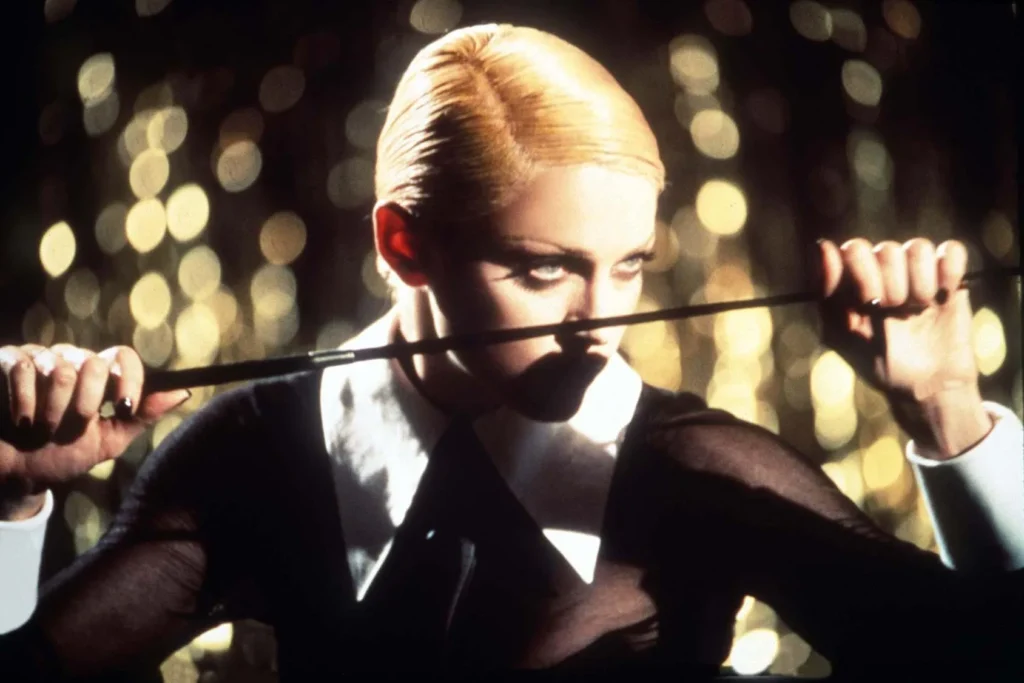
Madonna’s Erotica era was not subtle rebellion. It was staged provocation. The riding crop held horizontally across her mouth was not an accessory : it was punctuation. A line drawn between submission and control. Between fetish and theatre.
She understood optics. Latex was reflective, severe, almost clinical. It did not blur the body; it sharpened it. Under harsh light, it amplified tension. Every movement felt intentional. Every pose read as confrontation.
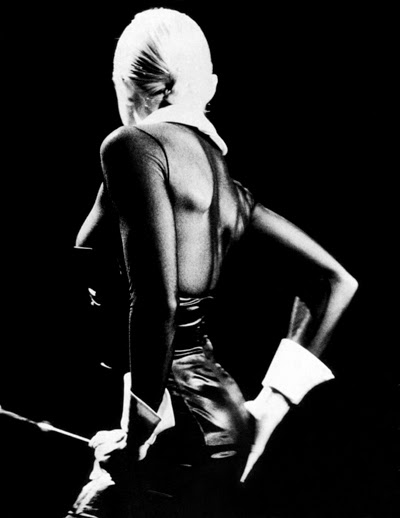
Unlike earlier pop eras that flirted with sensuality, Erotica weaponised it. Madonna did not ask for approval. She presented imagery associated with underground culture: bondage, latex, restraint and removed the shame from it. She framed it as authorship.
The body became a thesis.
And latex became armour.
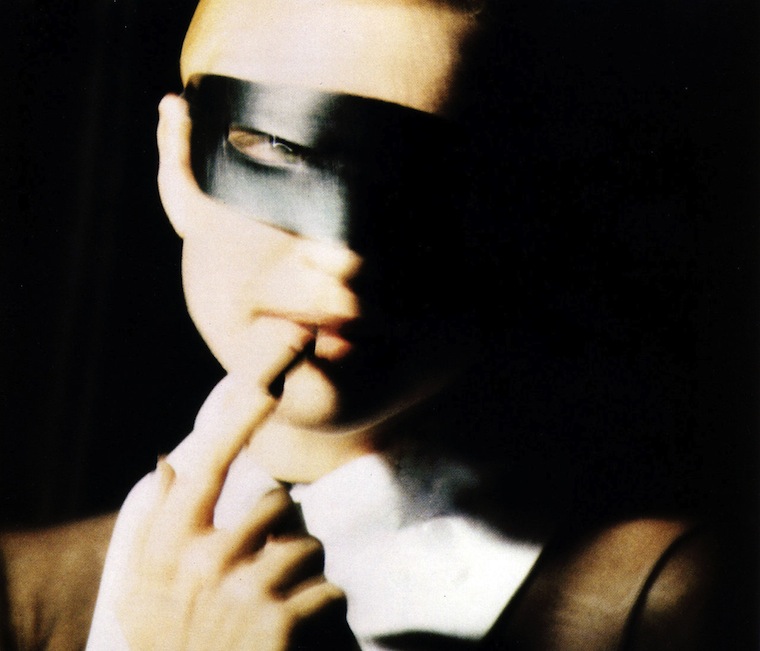
The Erotica era forced a cultural conversation because it refused comfort. It turned taboo into spectacle and spectacle into control. Where others used latex to seduce or stylise, Madonna used it to challenge.
Latex became confrontation not because it shocked but because she refused to apologise for it.