The Fame Monster – When Latex Became performance
“I don’t want to be remembered as anything other than brave.”
– Lady GaGa
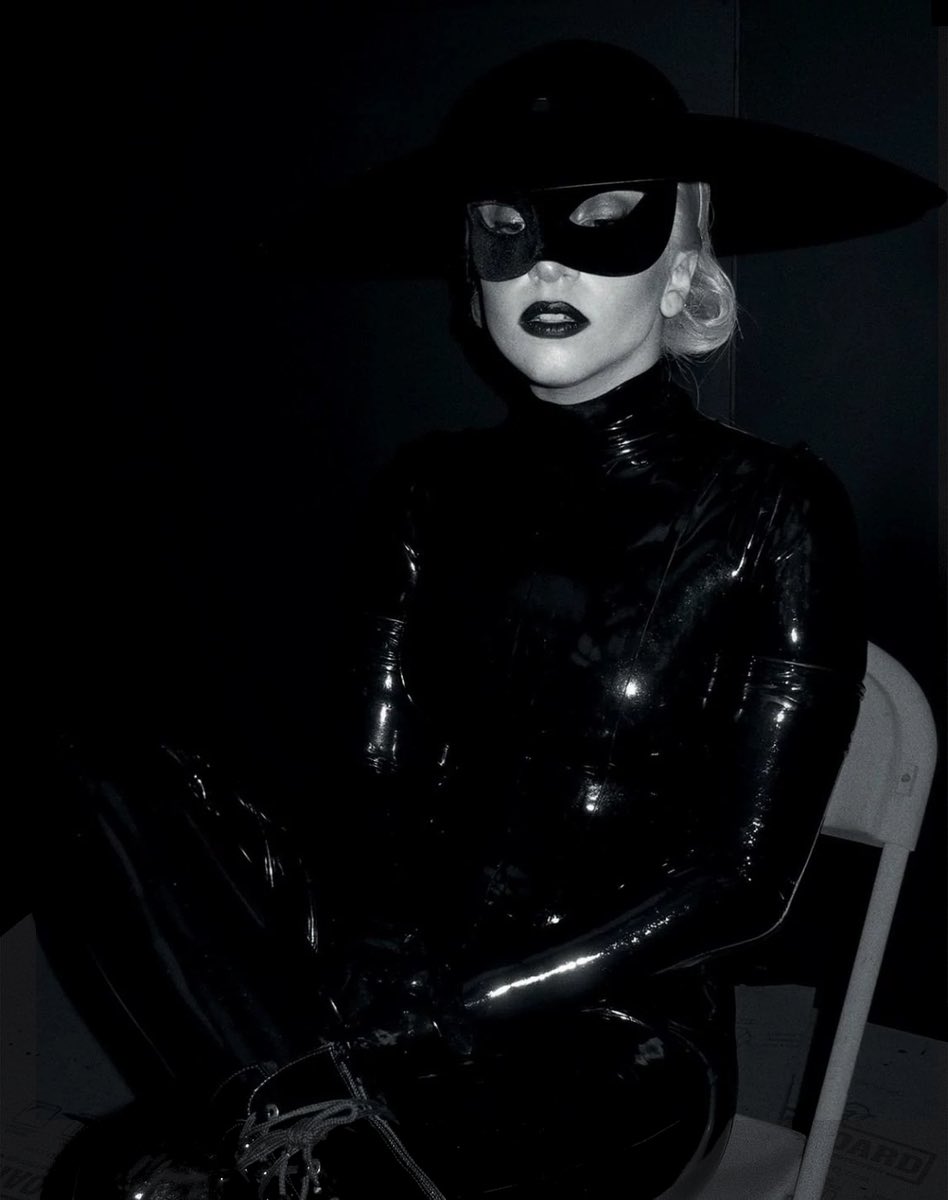
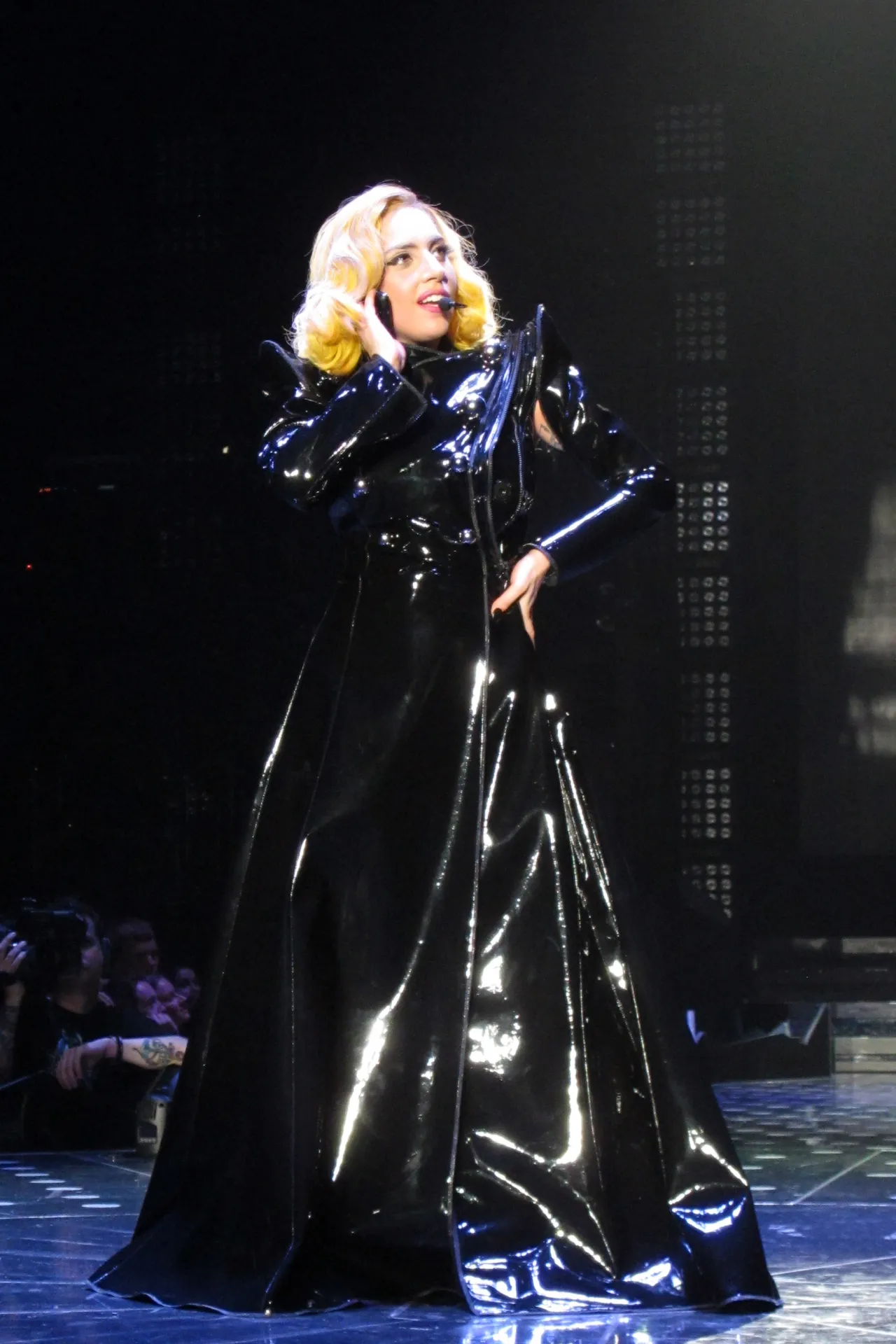
With The Fame Monster, latex stopped being armour and stopped being control : it became theatre. Gaga didn’t wear latex to protect herself or to dominate the gaze. She weaponised spectacle. In her hands, latex was not sensual, not confrontational, it was operatic. It became choreography, exaggeration, distortion.
It became performance art disguised as pop.
Prince made latex identity.
Rihanna made latex control.
Gaga made latex spectacle.
But spectacle is power.
The Fame Monster proved that performance itself can be armour. That exaggeration can be survival. That in a world obsessed with visibility, sometimes the boldest move is to become unreal.
Season Two does not begin quietly.
It begins with distortion.
And it refuses to shrink.
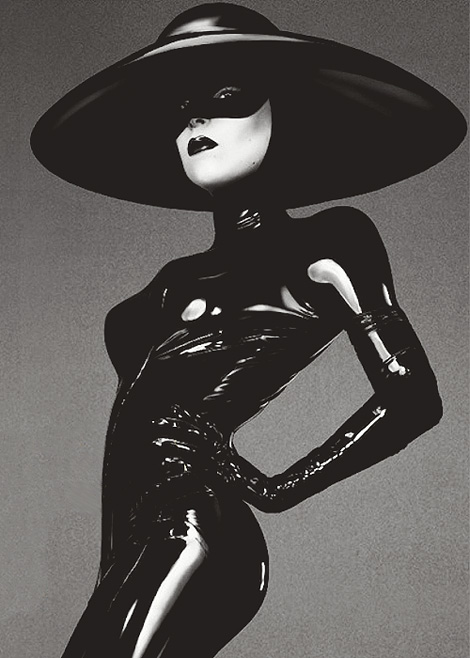
Masks defined this era. Faces obscured, eyes partially hidden, mouths stylised. Gaga understood something critical: fame is a performance before it is a person. The latex masks weren’t about seduction: they were commentary.
Who is the monster?
The performer?
The audience?
The industry?
Under the glare of flash photography, latex reflected light so intensely it erased softness. The body became reflective surface. Persona swallowed humanity.
That was the point.
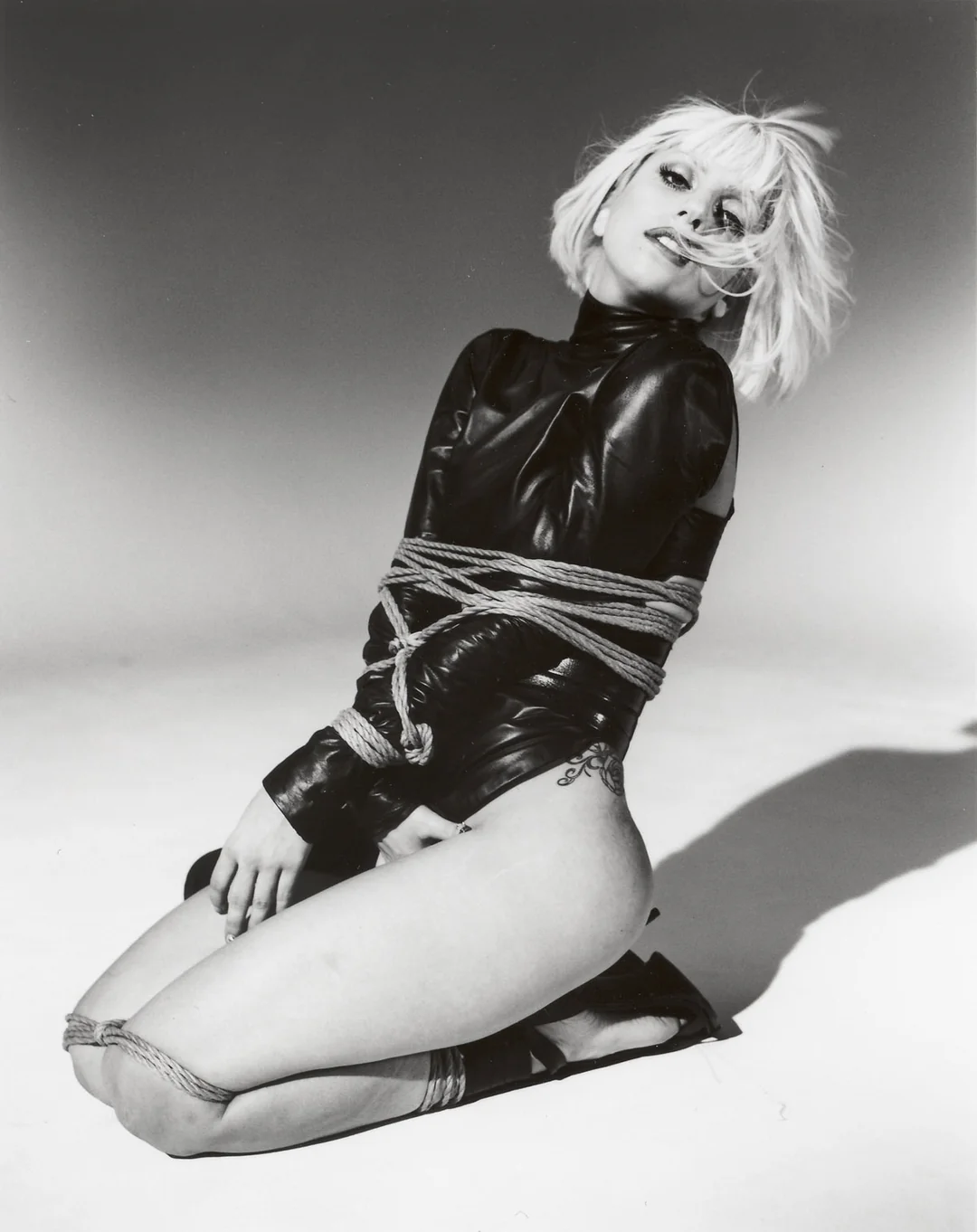
Prince made latex identity.
Rihanna made latex control.
Gaga made latex spectacle.
But spectacle is power.
The Fame Monster proved that performance itself can be armour. That exaggeration can be survival. That in a world obsessed with visibility, sometimes the boldest move is to become unreal.
Season Two does not begin quietly.
It begins with distortion.
And it refuses to shrink.