Bionic Era – “When Latex Became Synthetic Skin”
“I’ve always loved exploring different characters and different sides of myself through music and visuals.”
– Christina Aguilera
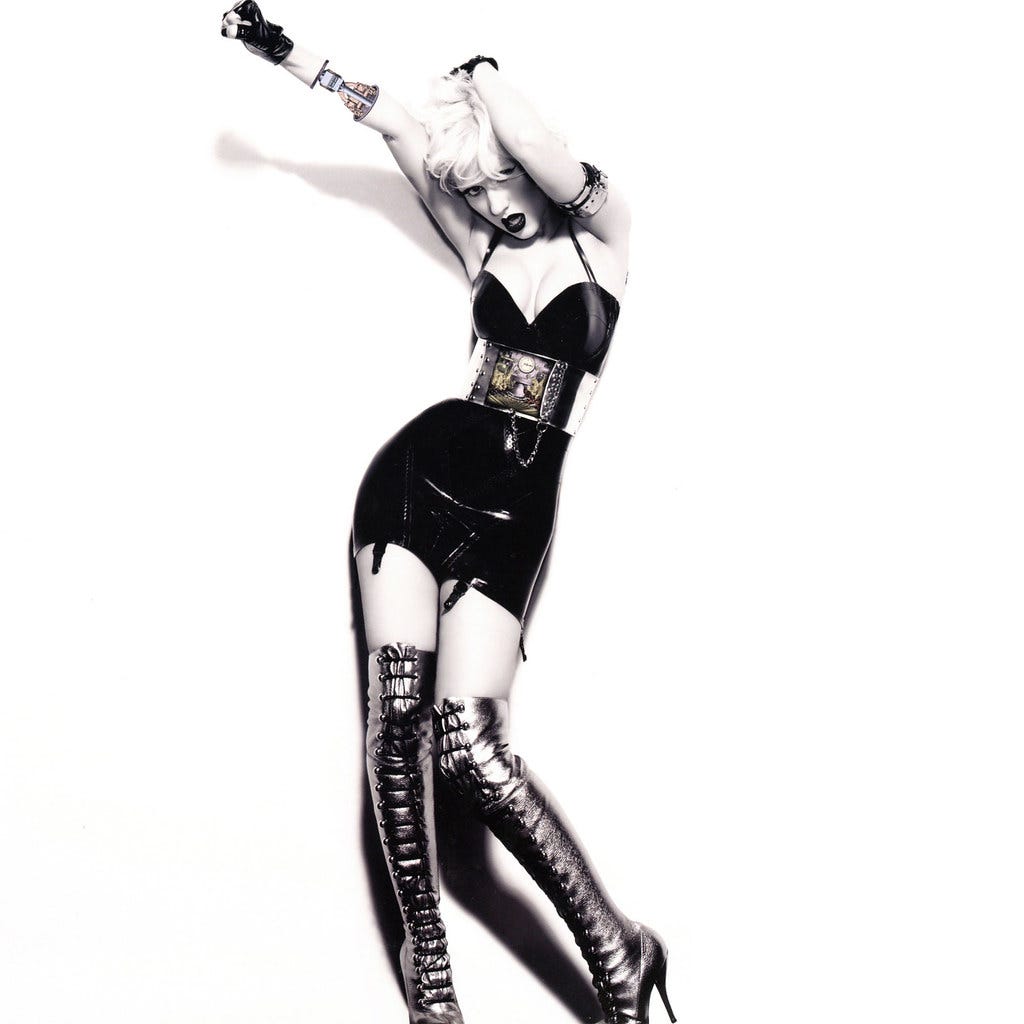
By 2010, pop music had begun to embrace the language of futurism chrome textures, artificial bodies and the aesthetics of a world increasingly defined by technology.
With the Bionic era, Christina Aguilera pushed this visual language further than many of her contemporaries. Latex no longer functioned purely as fetishwear or spectacle. Instead, it appeared as something closer to a second skin: glossy, controlled, and unmistakably synthetic.
In this environment the body itself became technological. Latex transformed from material into interface.
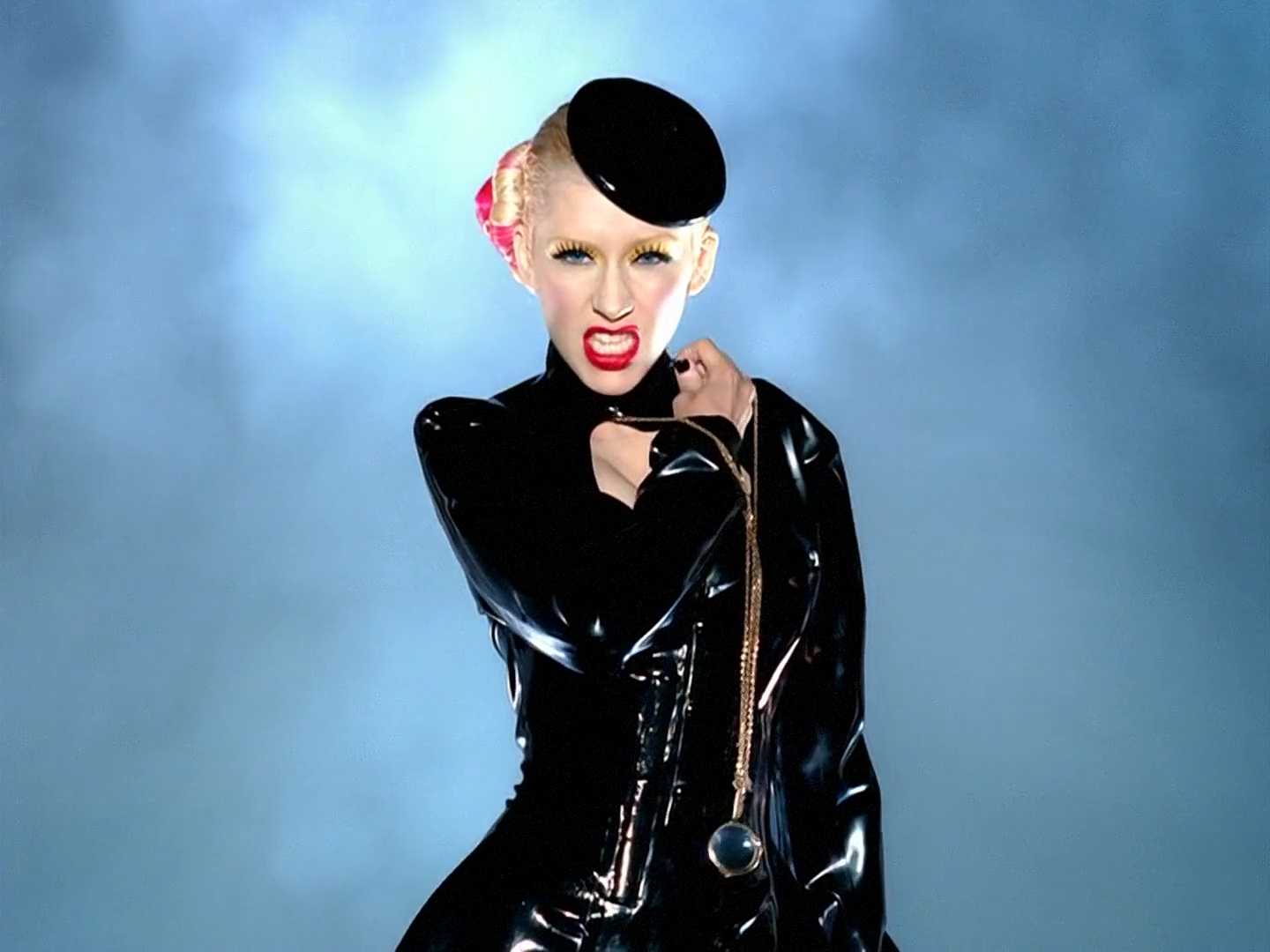
Much of the Bionic era’s visual identity drew from the aesthetics of nightlife and underground club culture. The music video for Not Myself Tonight in particular leaned heavily into imagery associated with fetish fashion: latex gloves, structured bodysuits, harnesses and high-gloss surfaces.

These visual cues echoed the textures of club environments where leather, latex and industrial styling had long shaped the visual codes of the dance floor. Yet within Aguilera’s world those materials were re-contextualised. They became futuristic rather than purely erotic.
Latex here suggested transformation the shedding of an old identity in favour of something more experimental and technologically mediated.
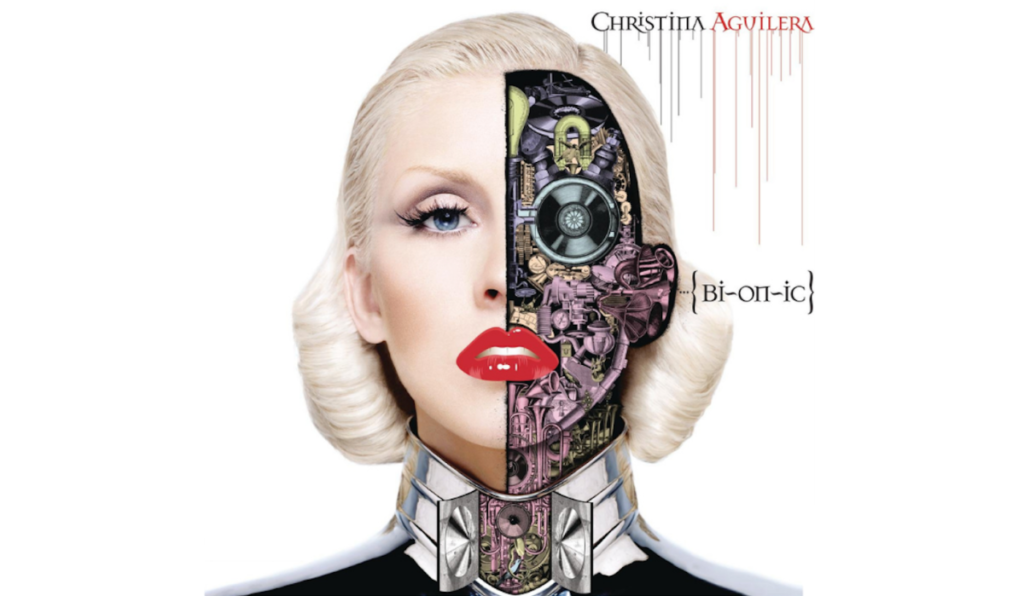
Throughout the Bionic visuals Aguilera frequently appeared as a hybrid figure: part human, part machine. Metallic neckpieces, stylised makeup and sculptural latex garments reinforced the idea that the body itself was evolving.
Rather than hiding the artificiality of these materials, the era embraced it. The shine of latex, the rigidity of corsetry and the sharp lines of futuristic fashion all contributed to a sense that the pop performer had become something engineered.
Identity was no longer fixed. It could be constructed.

Looking back, the Bionic era stands as one of the more ambitious visual moments in early-2010s pop. Its blend of cybernetic imagery, fetish aesthetics and club culture anticipated visual trends that would become far more common in the years that followed.
In Aguilera’s hands, latex ceased to function solely as provocative clothing. It became a symbolic second skin: a material through which the body could be reshaped, reprogrammed and performed.
For a brief moment, pop embraced the idea that identity itself could be synthetic.
Latex had become skin.